


Spend any amount of time around dedicated saltwater anglers and something will quickly become apparent. There’s a fish called permit, and fly fishing for permit is cool.
The Challenge Of Permit Fly Fishing
To say that the permit, trachinotus falcatus, has achieved a mythical status among fly fishers would be an understatement. They’re considered one of the most difficult fish to catch on a fly for a long list of well-earned reasons, which makes “How to catch permit” one of the most discussed topics in fly fishing circles. Numerous volumes have been written about this topic so there’s little value in delving into the minutiae of flies, tides, and techniques here.
We can leave those details to the real experts, the fly fishing guides. Those who want to catch a permit should first focus on being well prepared for the task at hand. When dedication meets the destination, there’s little standing in the way of catching the fish of a lifetime, or more importantly, having a great time trying.

Learning The Basics Before Targeting Permit
From tiny acorns a mighty oak will grow, as the proverb goes. Every beginner learning how to fly fish nurtures the dream of tropical destinations and ever more exotic species. However, there’s a lot of ground to cover between learning the basics and successfully targeting one of the most difficult fish to catch on a fly. Attempting to fast-track through any part of this process will do anglers no favors on the water.
This is where dedication to learning the basics enters the equation. Quite frankly, the importance of this humble first step is far too often overlooked by anglers, particularly those new to the sport. It’s simply incorrect to assume that an investment in costly equipment, expert guides, and a famous lodge will directly translate to success. It doesn’t.

Why Casting Skills & Line Management Matter
An angler’s dedication to mastering the basics is the secret sauce that binds all these factors and facilitates bringing fish to hand. And by “basics” I mean the very fundamentals of fly fishing: casting and line management. There’s no other way to master these concepts but practice, time on the water, and ideally some expert instruction, long before you arrive at your dream destination.
An unrealistic assessment of one’s skill level is a surefire way to simultaneously give your guide hypertension and reduce your chances of success when targeting permit. Ask any traveling angler… Can you consistently cast 60 feet of line? Almost all of them will enthusiastically say yes. However, a surprising percentage actually cannot.
Particularly not in the moment of truth with wind and waves or other environmental conditions conspiring against the cast. Far too few anglers take the time to physically measure 60, 70, or 80 feet of fly line, and indicate those lengths with a marker so that there’s no ambiguity about the length of one’s cast. The realworld scenarios of saltwater fly fishing mandate a 60-foot cast at a minimum. Consider this to be the baseline fly cast.
If you can’t do this in the backyard or on the grass at your local park, it will be asking a lot to do so on the water when your guide is polling you towards a tailing permit. Even the best guides in the world can only do so much to put you in a position to make the cast. Dedicate time to gain confidence in your casting so that when you reach the destination, you have the skills to be in the game.

Best Permit Fly Fishing In The World
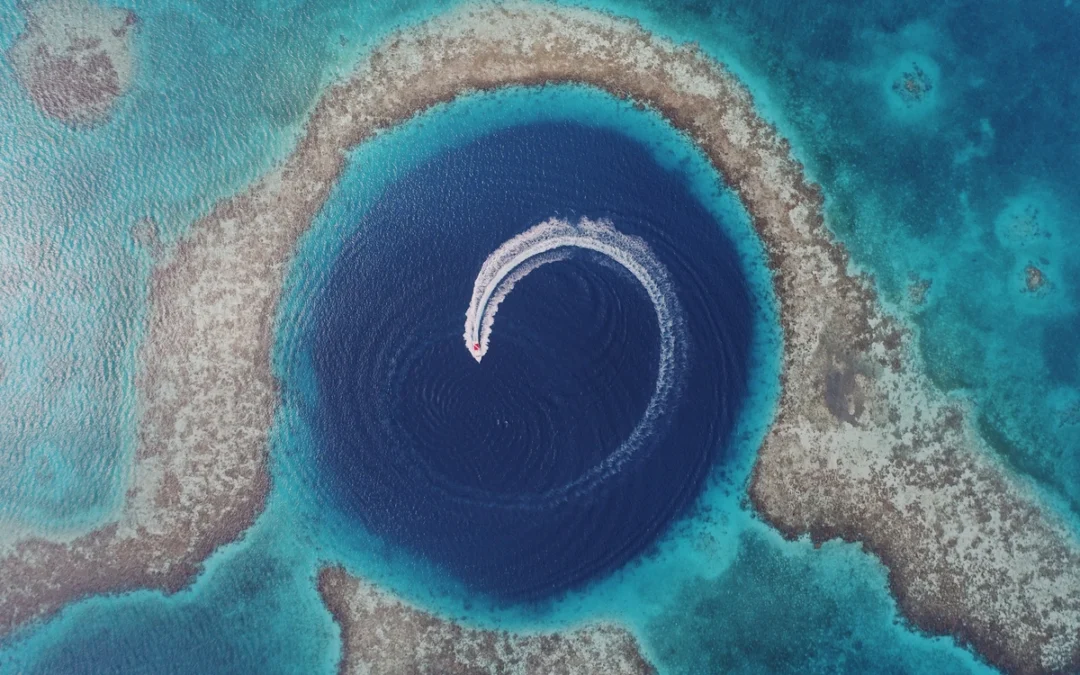
When dedication has been properly applied, the next phase is the destination. Arguably, this is the funnest part of the permit quest. Permit live in beautiful places, so there is a lot to look forward to when planning the adventure. While the Atlantic permit can be found over a broad swathe of the western Atlantic from Brazil to the United States and Caribbean, there is one country that has long been hallowed ground for anglers seeking the elusive “black tailed devil”: Belize.
Fishing in Belize, with its world-famous flats, inevitably crosses the radar screen of every fly angler. The small, English-speaking, Caribbean nation checks all the boxes: stunning natural beauty, proximity to North America, and access to the big three flats species: tarpon, bonefish, and permit. It’s a combination that’s given Belize a well-deserved spot among the world’s top locations to experience the thrill of saltwater fly fishing.
Although it’s a small country, there’s a lot to consider when fly fishing in Belize. The North features flat, subtropical coastal jungles, while the South is defined by rugged, mountainous rainforests. Between these diverse regions, anglers can find world-class Orvis-endorsed fly fishing lodges, such as Muy’Ono Resorts’ Blue Horizon Lodge on North East Caye and Copal Tree Lodge in Punta Gorda. For many years, avid permit anglers have focused on Southern Belize, which has earned the quiet town of Punta Gorda the title of “permit capital.”

The rewards of a day spent on the flats in pursuit of permit are far too numerous to list. Is the hype worth the investment? Absolutely! However, the dividends will be even greater if you arrive at the destination ready for the challenge posed by chasing the world’s most selective gamefish in a dynamic, ever-changing environment.
Dedication to mastering the basic skills will go a long way towards catching the permit of your dreams. Not to mention making the experience exponentially more fun for both angler and guide. So before you head off on your Belizean fly fishing adventure, pick up a rod, know your strengths and limitations, and work towards gaining the skills required to have as much fun as possible.
This article is a guest feature by Lance Peterson, Fly Fishing Program Director at Copal Tree Lodge. With decades of experience chasing trophy fish around the world, Lance brings unmatched expertise and passion to planning the perfect permit fly fishing adventure in Southern Belize.